
B2B Lead Generation for Fintech: 7 Channels That Work
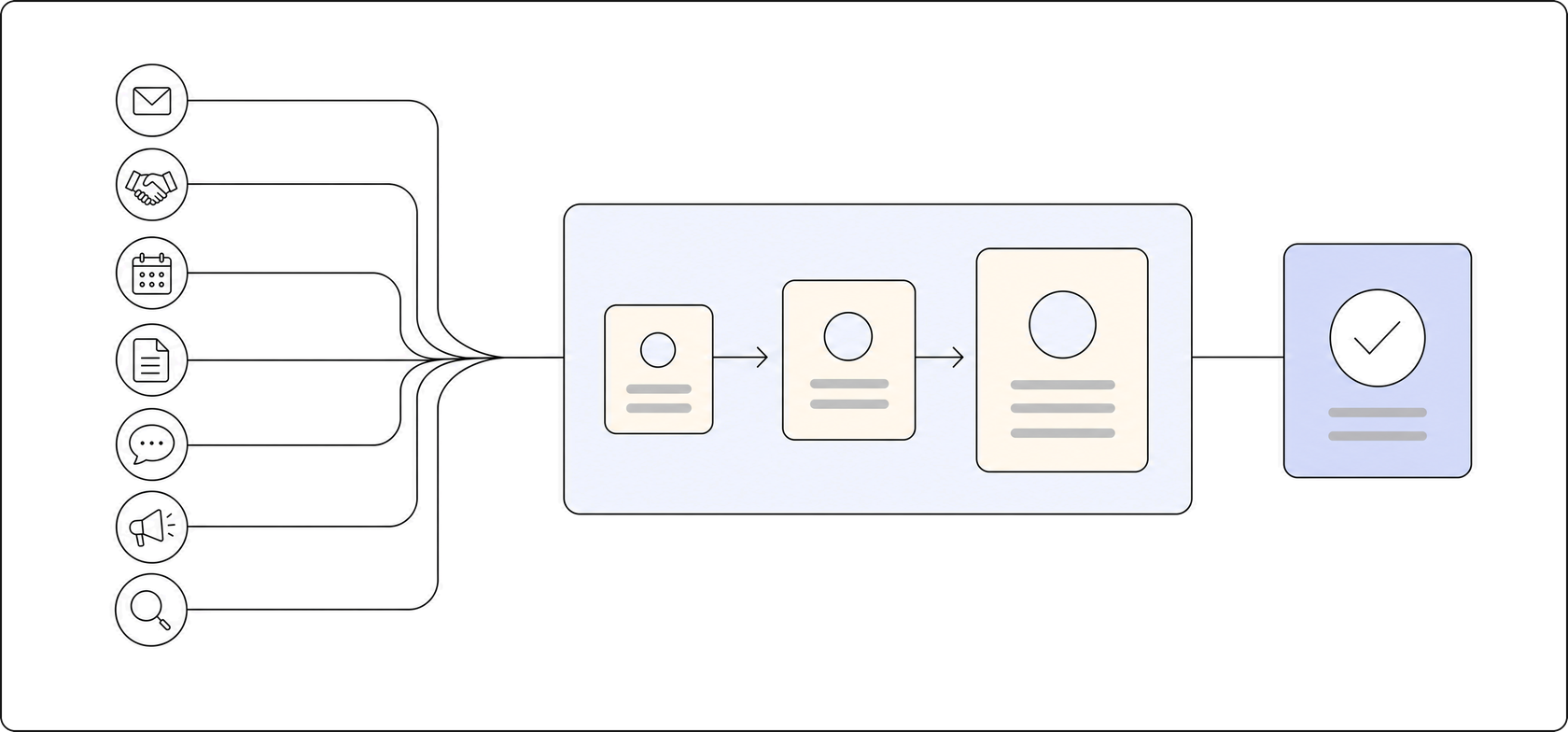
B2B lead generation for fintech is the work of finding and starting conversations with the companies most likely to buy, through a small number of channels you run well. For most fintechs, those are account-based outbound, partnerships, events, founder-led content, search and PR.
Fintech lead generation works differently from SaaS. The market is small enough to name, buyers are cautious and deals involve compliance. Volume tactics that work for a project-management tool usually backfire here. This guide covers the seven channels that work, how to choose two or three, and how to measure them in pipeline rather than leads.
The seven channels at a glance
| Channel | Best for | Time to first results | What it needs |
|---|---|---|---|
| Account-based outbound | A named market and large deals | Weeks | An ICP, a scored account list, sharp messaging |
| Partnerships and referrals | Reaching buyers others already serve | Months | A clear partner offer and someone to manage it |
| Events and roundtables | Meeting senior buyers in person | Weeks to months | Budget, follow-up discipline |
| Founder-led LinkedIn | Trust and inbound from your niche | Months | A founder with a point of view, consistency |
| Content and search | Buyers researching the problem | Months | Expertise, patience, a few strong pages |
| PR and media | Credibility and being found by AI assistants | Months | News or a view worth covering |
| Paid ads | Reaching known accounts again | Days | A defined audience and good landing pages |
1. Account-based outbound
Outbound to a scored list of target accounts is the most controllable channel for most B2B fintechs. Research each account, find the trigger that makes them relevant now, and send short, specific messages to the right people in the buying committee.
It fails when it becomes volume: thousands of generic emails to a regulated audience damage a brand quickly. Keep the list tight, the research real and the messages short. The full approach is covered in account-based marketing for B2B fintech.
2. Partnerships and referrals
Banks, payment providers, platforms, consultants and other fintechs often already serve your buyers. A good partner can introduce more qualified customers than a year of cold outreach.
Partnerships need a clear answer to “what’s in it for them”: revenue share, a better product for their customers, or a gap you fill. They also need an owner, because partner pipelines go quiet without regular contact.
3. Events and roundtables
Large industry events put many buyers in one place, but most value comes from the meetings booked before the event and the follow-up after it. Small roundtables or dinners for ten to fifteen senior people often produce more pipeline than a stand.
Measure events by meetings held and pipeline created within a few months, not by badge scans.
4. Founder-led LinkedIn
In B2B fintech, buyers often want to know who is behind a provider. A founder or senior leader who shares a clear point of view on LinkedIn builds trust and brings in inbound conversations from exactly the right niche.
It works when it’s consistent and specific: opinions on the market, lessons from customers, and explanations of hard problems. It doesn’t work as a company announcement feed.
5. Content and search
Buyers research before they talk to anyone. Pages that answer their questions well, such as comparisons, explainers and guides to specific problems, bring in companies that are already looking.
Search takes months, so start early and focus on a few strong pages rather than many thin ones. The same pages increasingly feed the answers ChatGPT, Perplexity and Google’s AI give buyers, which makes them worth more than their traffic alone.
6. PR and media
Coverage in the trade press builds credibility with cautious buyers and gives sales something to share. It also matters for AI search: assistants often cite third-party articles and lists when they recommend providers.
PR works best around something worth covering: a funding round, a new market, data from your own platform or a clear view on a regulatory change.
7. Paid ads
Paid ads rarely start a fintech deal on their own. They work best supporting the other channels: showing LinkedIn ads to the accounts on your target list, or bidding on high-intent searches such as a competitor’s name or a specific problem.
Keep budgets tight until you can see which campaigns create pipeline, not just clicks.
How to choose your channels
Choose two or three channels and run them properly, rather than six half-heartedly. Three questions decide which:
- How big is your market? A few hundred named accounts points to outbound, partnerships and events. A broad market with many smaller buyers points to search, content and paid.
- How do your buyers buy? Senior, cautious buyers respond to referrals, events and trusted voices. Technical buyers respond to documentation, content and trying the product.
- What can your team sustain? A channel that needs weekly effort only works if someone owns it every week.
Your answers should follow from your go-to-market strategy and ideal customer profile.
Measure pipeline, not leads
Leads are easy to inflate and hard to trust. For each channel, track:
- Meetings with ICP accounts: first conversations with companies that fit
- Pipeline created: the value of qualified opportunities the channel produced
- Cost per opportunity: spend and time divided by opportunities, not by leads
- Win rate and cycle length: whether the channel’s deals actually close
Review these every week. A channel that produces many leads and no pipeline is a cost, not a channel.
What to automate
Research on target accounts, enrichment, buying signals, routing of inbound leads and channel reporting can all be automated, so the team spends its time on conversations. That’s covered in GTM engineering for B2B fintech. Writing to senior buyers and the conversations themselves should stay human.
Common mistakes
- Volume over relevance. Generic sequences to regulated buyers cost more in reputation than they bring in pipeline.
- Too many channels. Spreading a small team across six channels means none of them gets good.
- Counting leads. Report on meetings and pipeline from accounts that fit.
- No follow-up. Events, content and PR create interest that disappears without a clear next step.
Where to go from here
Fuente Digital helps B2B fintech and payments companies choose their channels and set pipeline targets through GTM strategy, and builds the outbound, routing and reporting behind them through GTM engineering.
Frequently asked questions
What is the best lead generation channel for B2B fintech?
For most B2B fintechs selling to a named market, account-based outbound and partnerships produce pipeline fastest. Content, search and founder-led LinkedIn take longer but compound over time.
How many lead generation channels should a fintech run?
Two or three. A small team that runs a few channels well gets more pipeline than one spread across many.
Does cold email work for fintech?
Yes, when it’s targeted, researched and short. Generic, high-volume cold email works poorly with cautious fintech buyers and can damage your reputation.
How do you measure B2B lead generation?
Measure meetings with accounts that fit your ICP, pipeline created, cost per opportunity and win rate by channel. Lead counts on their own are a poor guide.